- Big Hand

- In Memory
- Song Cycles 1-3
- Bear Hat
- Song Cycles 4-6
- Song Catalog
- Painted Earth
- Mesa Verde
- Corn Tassel...
- Enchanted Ruins
- Clan Ancestors
- The Ancient Way
- Canyon Echo
- On the Wind
- The Aerie High
- The Song of Kokopelli
- Gone a'Viking
- The North Atlantic Graveyard
- In Old Norse Tongue
- The Evergreen Tree
- Of Standing Stones
- By the Midnight Sun
- Cooking the Heart
- Greybeard
- Bear-Pelted, Wolf-Coated (Berserkir, Ulfhednar)
- Lindisfarne
- Beringia
- On the Land Bridge
- Wave-Swept, Wind-Blown
- Gone the Swan
- Deerdancers
- Grey Whales!
- Song of the Sasquatch
- skull/antler/bone
- Shangri-La
- Flower Arrows (The Bear-Sending Ceremony)
- Cloud People
- The Grass Returns
- The Wedding of Squash Blossom
- Footpaths, Handholds
- Canyon Dry, Mesa High
- To Catch an Eagle
- Hopi, Hoho, Hopi
- Old Oraibi
- Milagros
- The Sparrow's Song
- Dance of the Kachinas
- The Algonquin of Lacrosse
- Dreaming the Hunt
- Smudge with Sage, Sweat with Smoke
- On Gallows Tree
- Manitou
- test
- The Rolling of Thunder
- Thirteen Moons
- Henry Thoreau
- Cedar Red Canoe
- Yellow Green & Blue
- Serpentine Tor
- Mbuti
- All Hallows' Eve Race of the Green Pumpkin Men
- The Totem Dreams of Cedar
- Relics My Ancestors Left Behind
- A Trout Streaming Light
- The Royal Hawaiians
- The Sounds of Sea and Sky
- The Falls of the Water Dragon
- The Tale of Ursa Minor
- The Song of the Great Beyond
- Audio Library
- Video Library
- The Thunder Mountain Saga
- Artist Portfolio
- Artifacts from Area 51
- About BHS

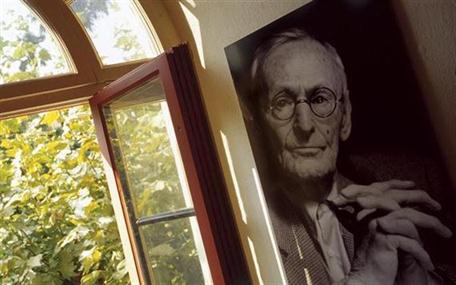
The Algonquin of Lacrosse is dedicated to Ingmar Bergman and Hermann Hesse.